
 Türkiye is home to three of the world’s 36 globally recognised biodiversity hotspots. With its remarkable biological richness, the country serves as an ecological bridge between Europe and Africa, situated at the crossroads of major bird migration routes. Yet, migratory soaring bird species encounter numerous threats along these pathways, many of which hinder their ability to complete their long-distance journeys. One of the most critical threats is electrocution. During migration, many birds use electricity pylons as resting points, but the absence of proper insulation on these structures often results in fatal accidents.
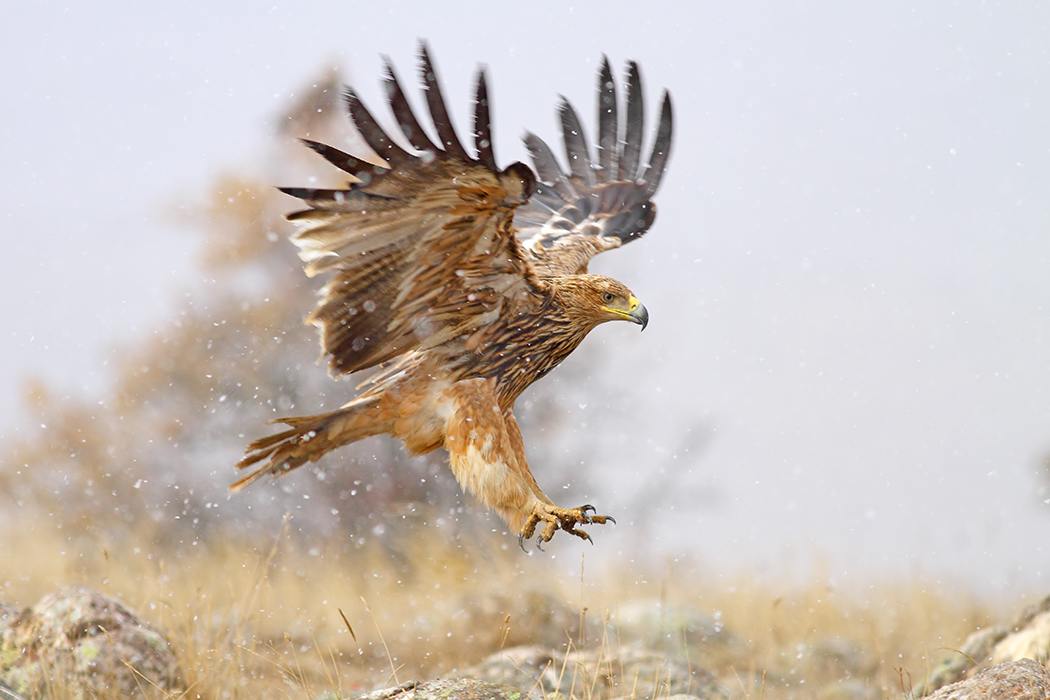
Imperial Eagle, Ozden Saglam
Migratory birds encounter a wide range of threats along their journeys. Beyond the loss of resting habitats, poisoning, and hunting, one of the most severe threats they face is uninsulated electricity pylons. During migration, birds often perch on electricity pylons to rest, but when these structures lack proper insulation, they become deadly, leading to fatal electrocutions. Ensuring that power pylons are adequately insulated can importantly reduce this risk and play a crucial role in protecting migratory species.
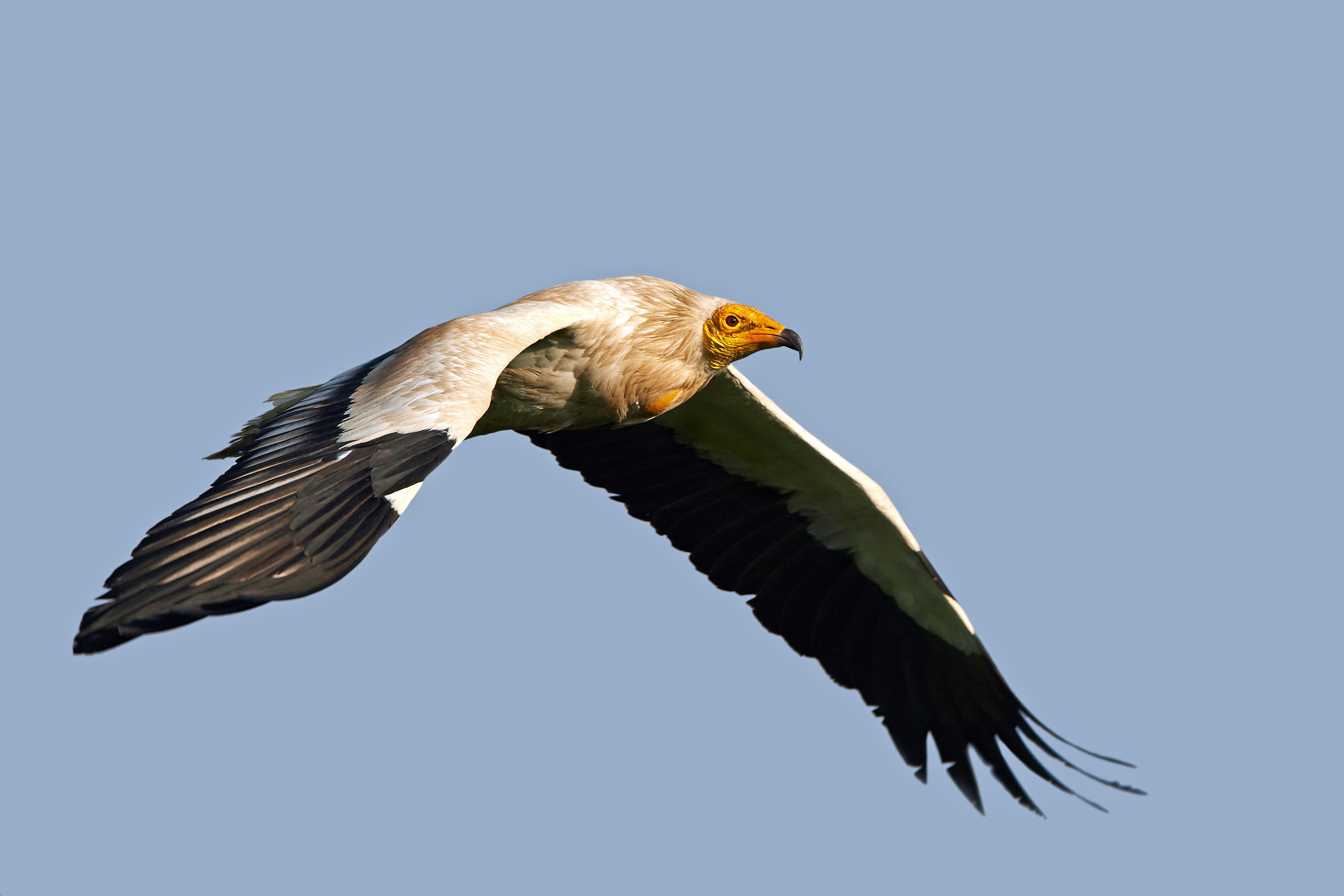
Egyptian Vulture, BirdLife Europe
Comprehensive Efforts on the Insulation of Power Lines Begin
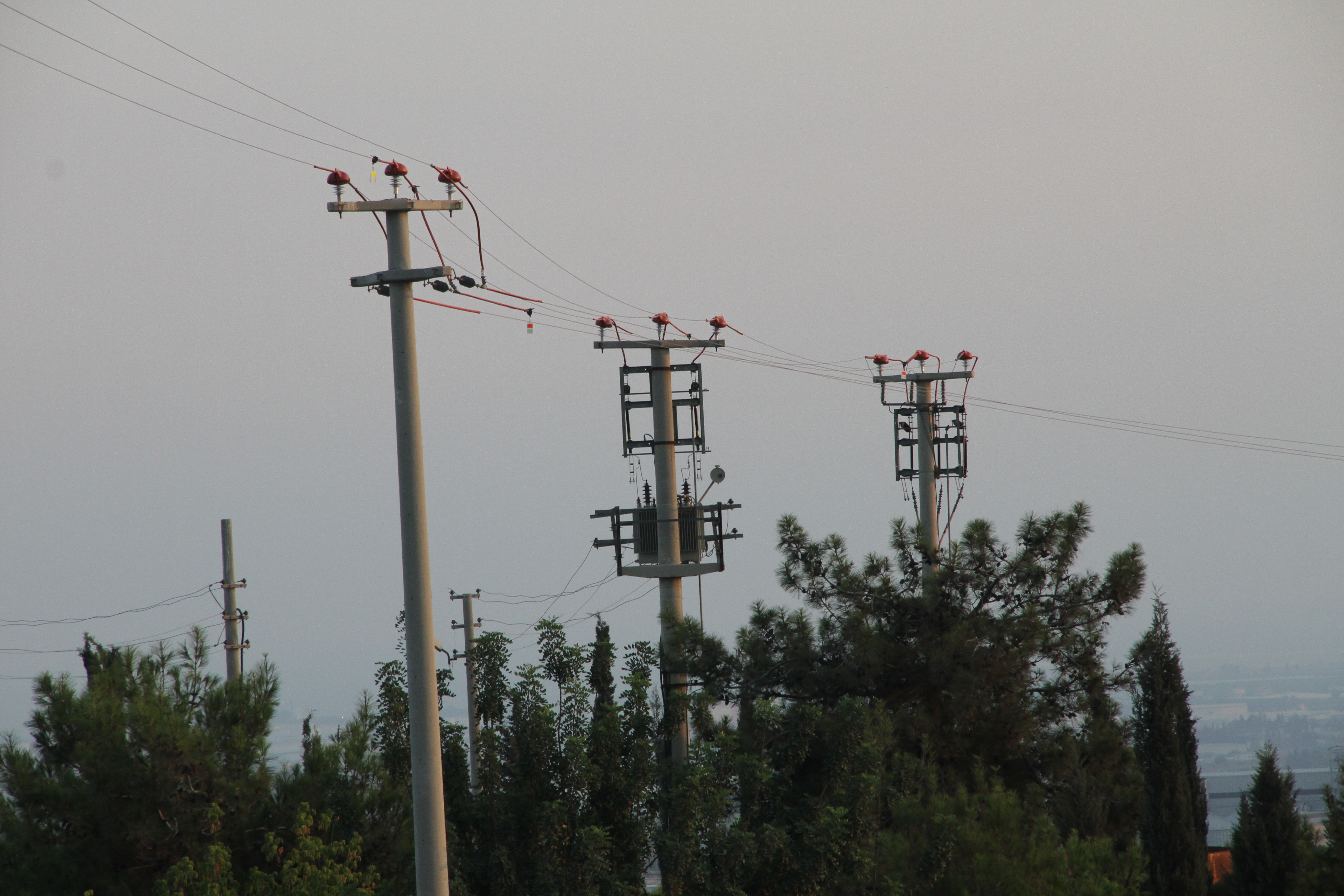 To make migration routes safe, we have launched a project (Reduction of mortality risk on globally endangered birds through retrofitting of hazardous overhead power lines in South-eastern Europe) aimed for the identification and insulation of power lines in North Macedonia, Bulgaria and Türkiye. Our project is carried out under the leadership of the Elektrorazpredelenie Yug Ead (EP Yug), in cooperation with the Bulgarian Society for the Protection of Birds (BSPB), the Macedonian Ecological Society (MES) and the Evn Makedonija Akcionersko Drushtvo Za Uslugi Skopje (EVN Macedonia).
In the project, particularly the globally threatened Eastern imperial eagle and the Egyptian vulture, migratory soaring bird species can complete their migratory journeys safely. Within this scope, the study, until 2030;
-Insulating over 17,000 hazardous electricity pylons (5,000 of which are in Türkiye) and installing 2,500 bird diverters,
-Pilot remote methods to identify mortality hotspots and guide interventions more effectively, and test innovative technologies for retrofitting power lines, ensuring long-term sustainability;
-Establishing an international network for experience exchange and best practices between grid operators across the Balkans and along the species’ migratory flyways.
At the conclusion of the project, a comprehensive risk inventory of migration routes will be developed for Türkiye; together with the data on insulated lines, this will provide a scientific basis to guide future studies for different regions and species.

There are no comments published yet.